Physics of Quantum Chips 2026 August Workshops
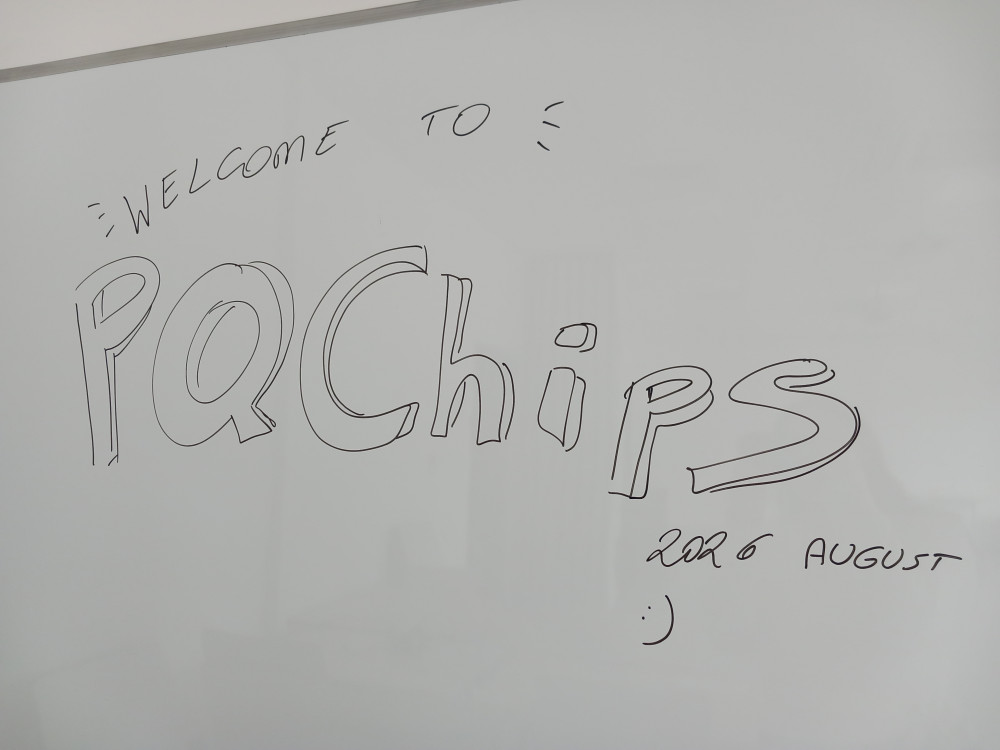
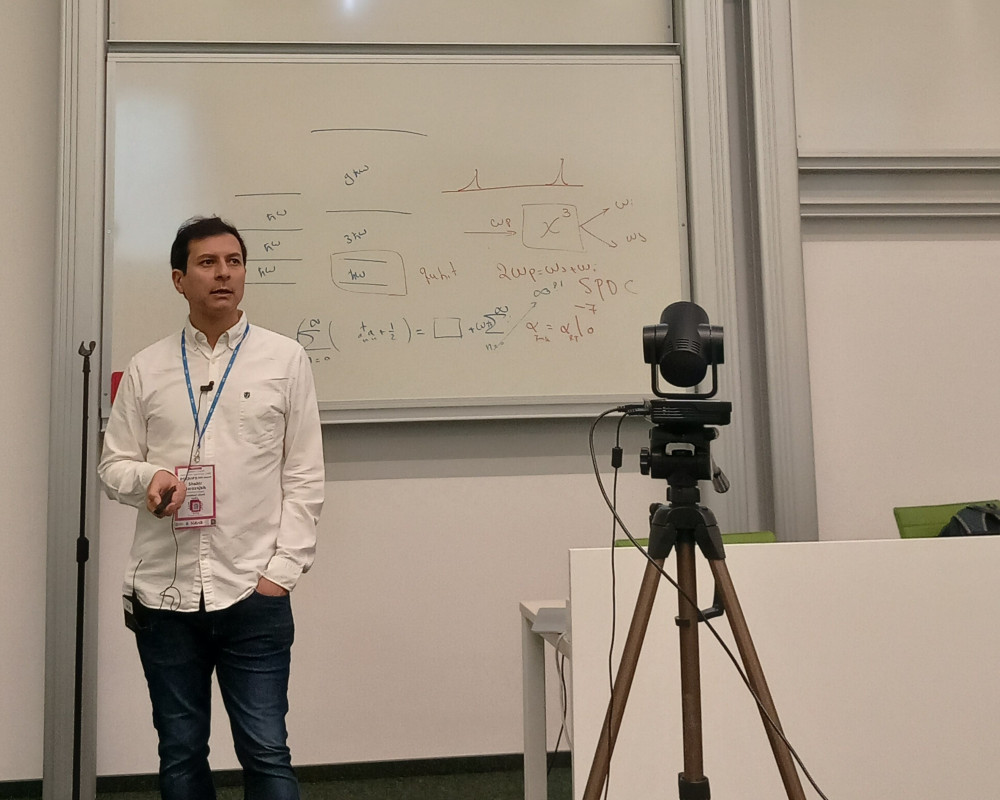
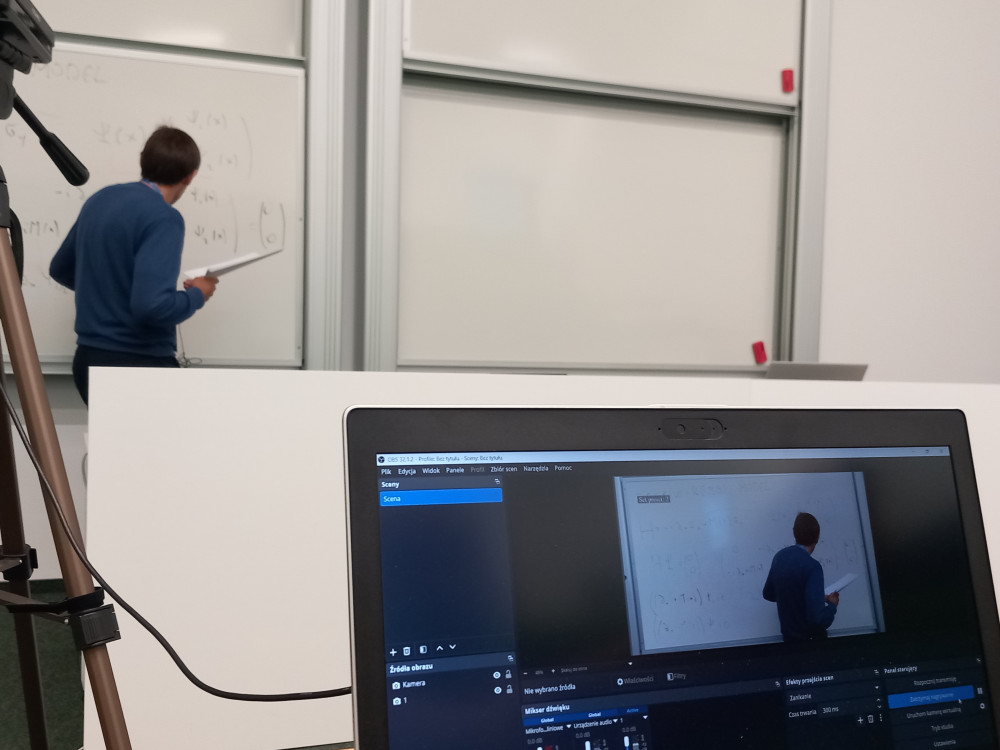
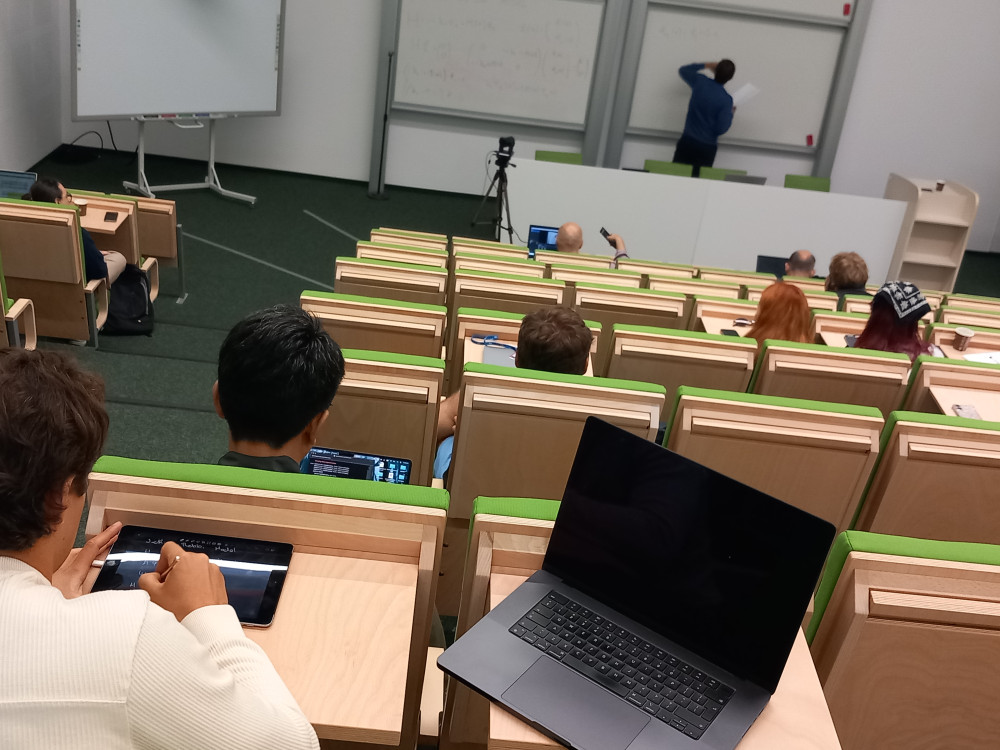
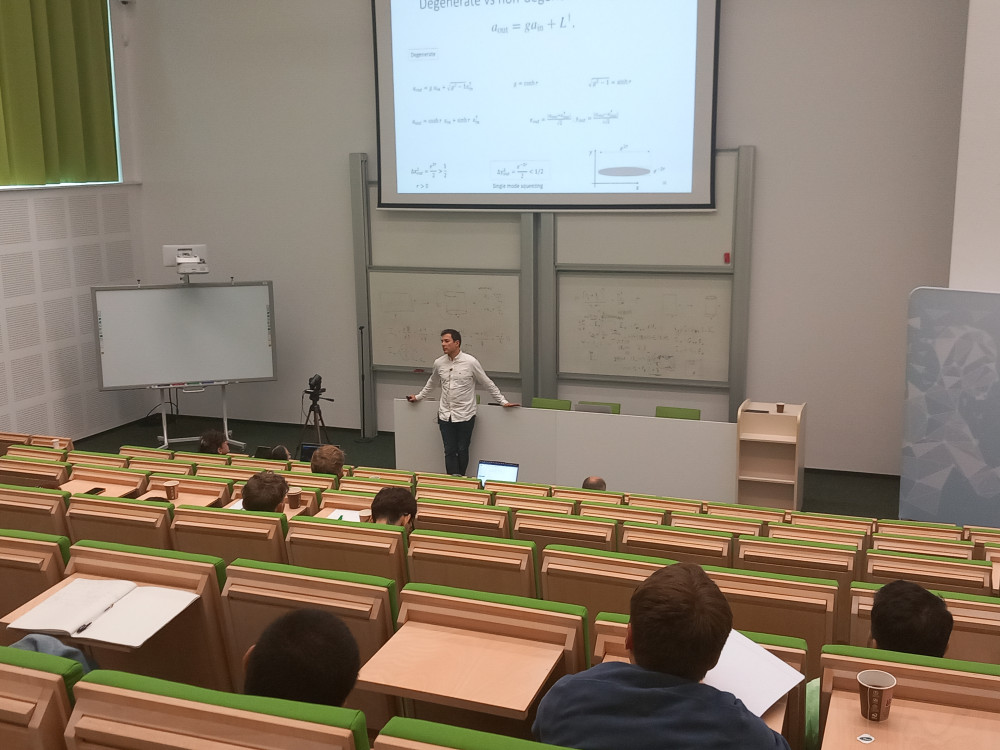
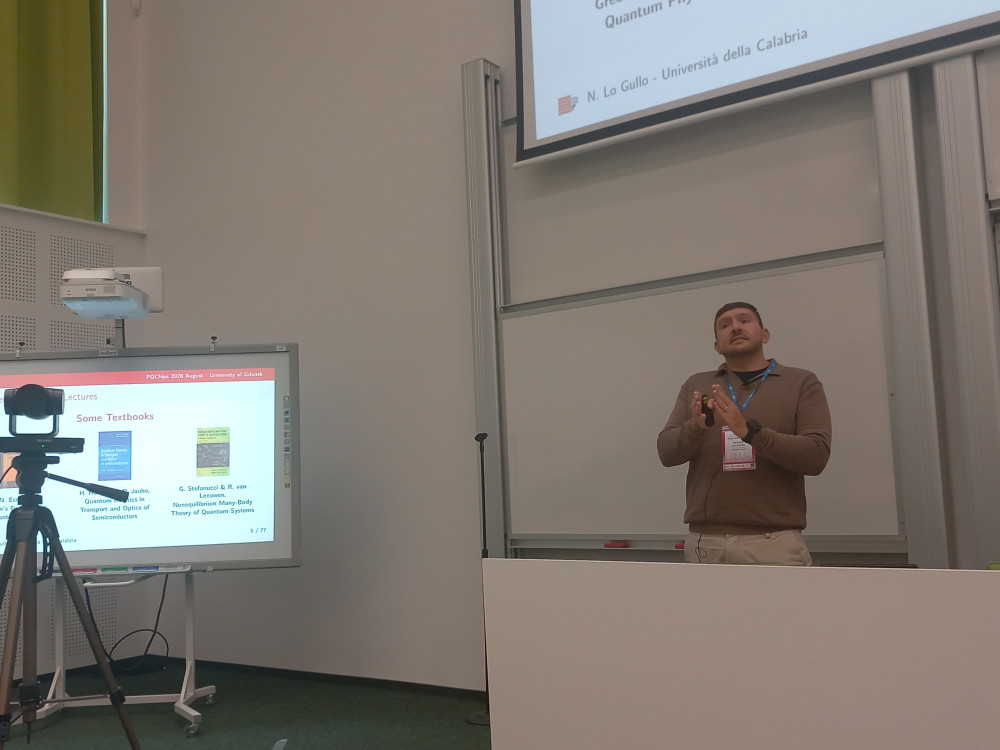
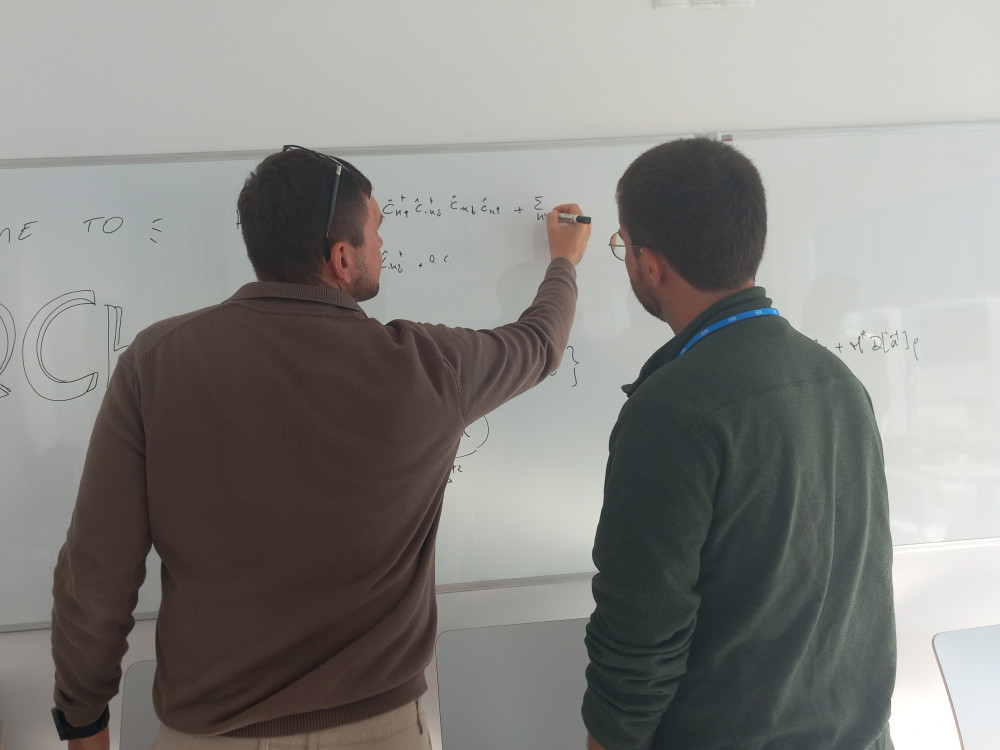
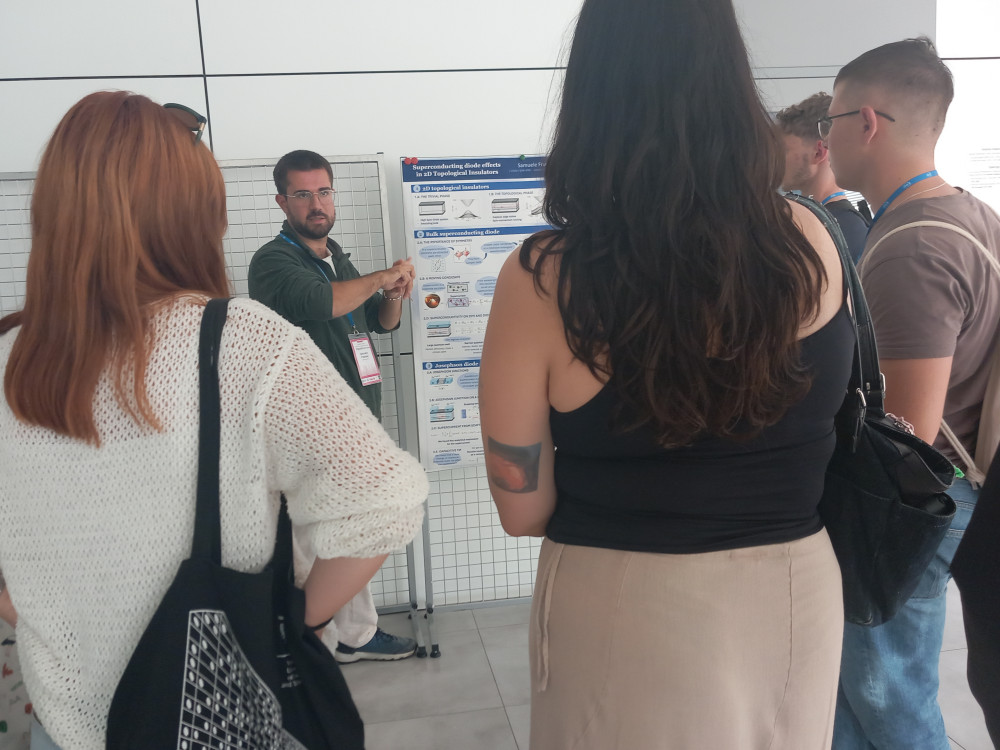
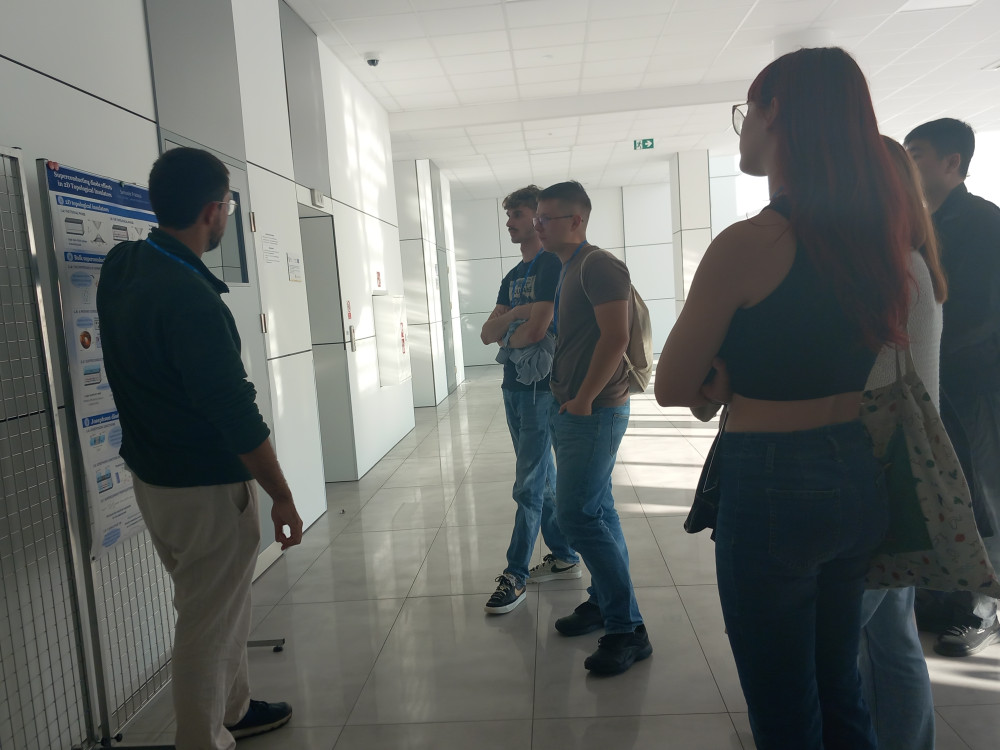
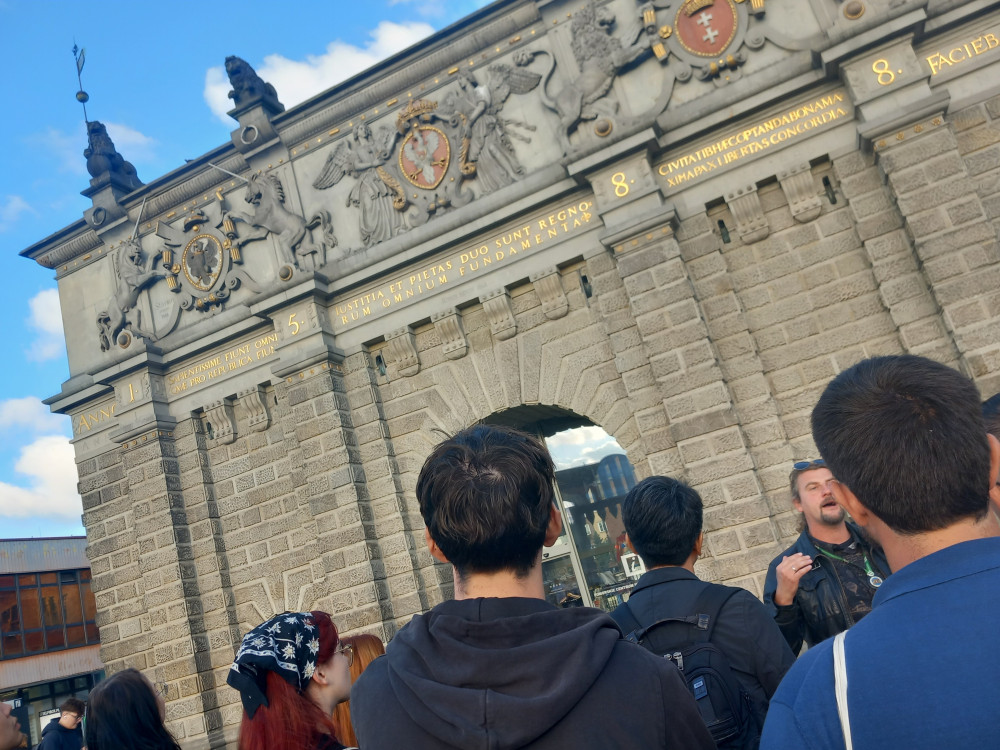
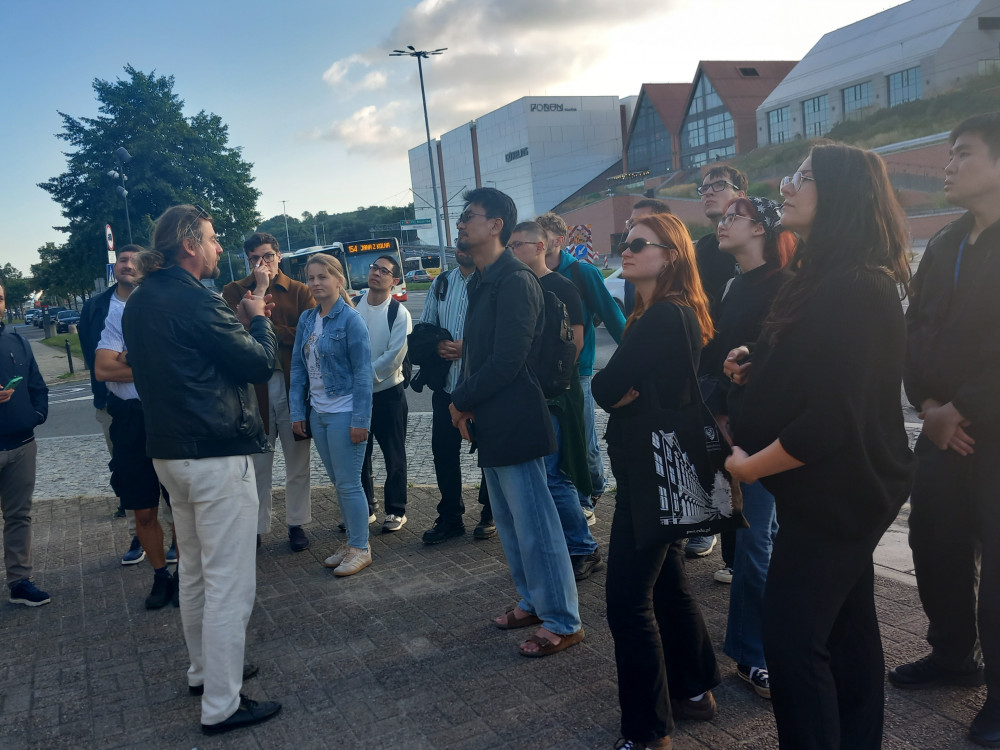
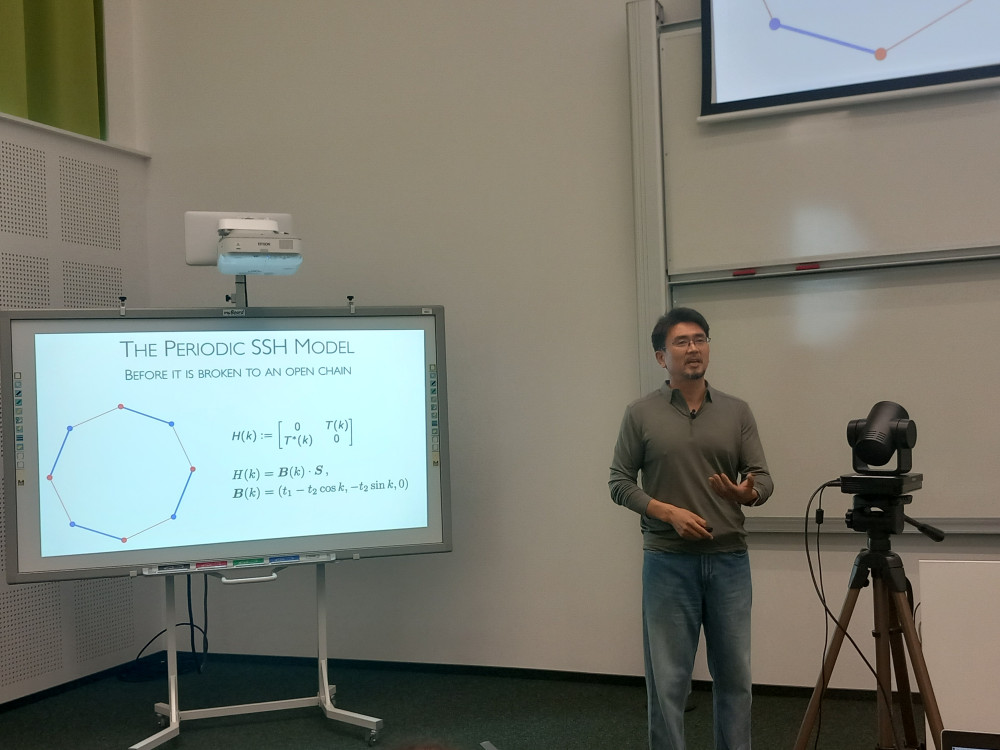
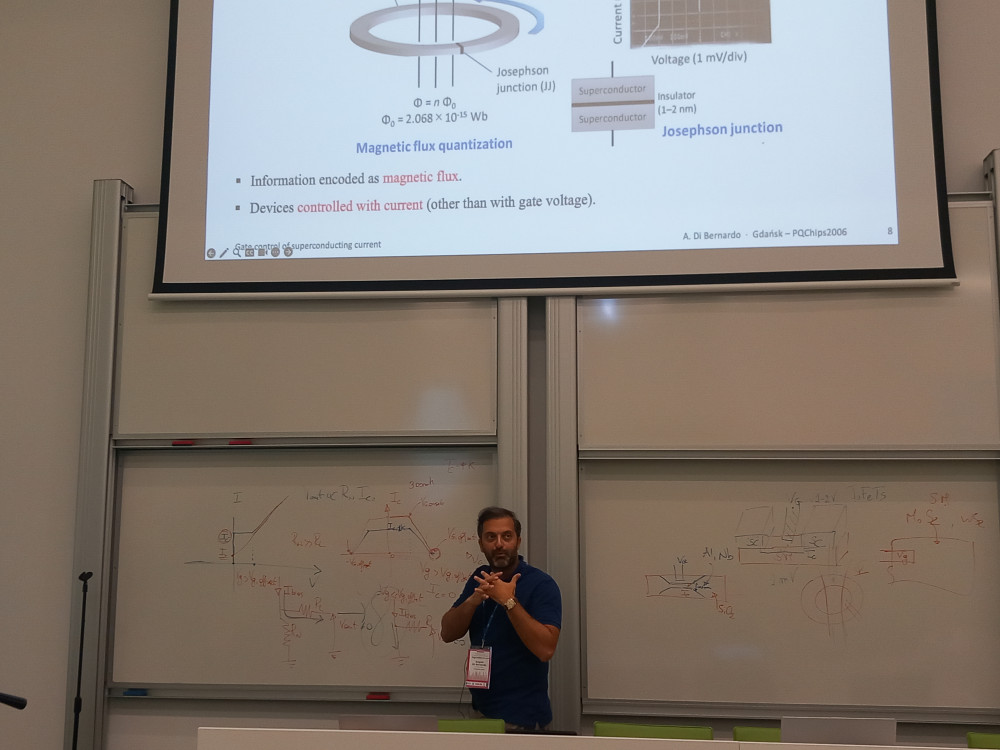
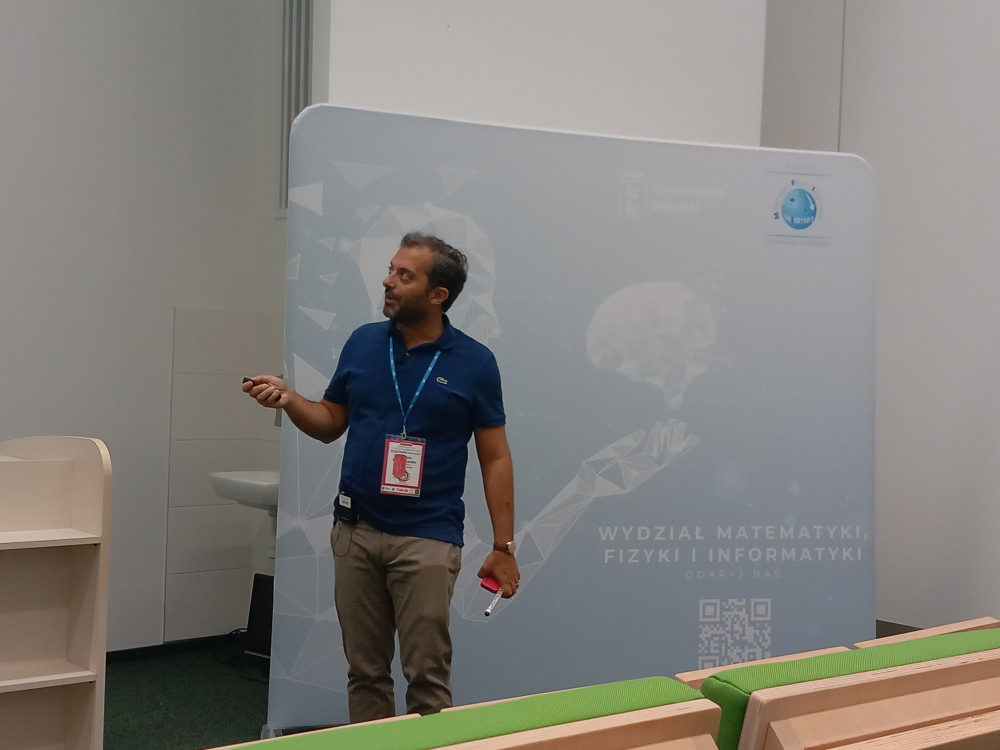
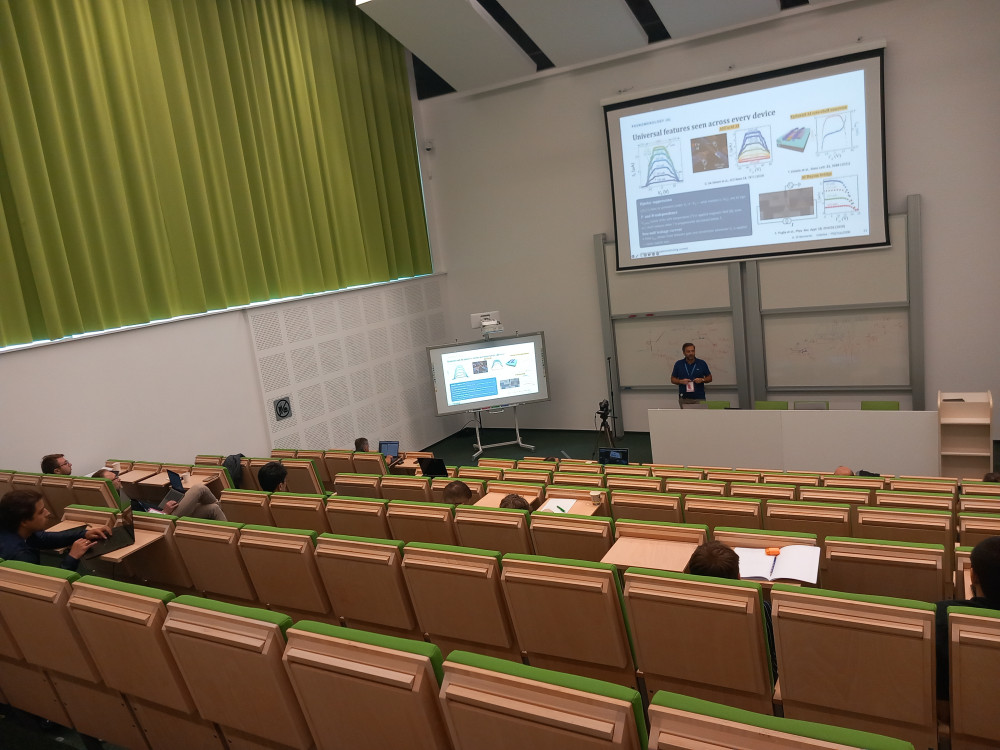
On August 24-28, 2026, the third edition of the Physics of Quantum Chips workshop was held, focusing on the physical foundations of modern chip-based quantum systems and emerging quantum technologies. The programme combined theoretical lectures with hands-on practical sessions. Participants also had the opportunity to take part in social activities, including a tour of Gdańsk.
The PQChips programme brings together topics from condensed matter physics, mesoscopic transport, quantum optics, topology, superconducting and semiconductor systems, and quantum information.
The programme covers both fundamental quantum phenomena - such as geometric phases, quantum interference, the quantum Hall effect, and topological states of matter — and contemporary topics related to nonequilibrium quantum transport, circuit quantum electrodynamics, nonlinear and nonreciprocal devices, nanoscale modelling, and quantum algorithms.
Particular attention was given to methods for generating, transporting, manipulating, and measuring charge, energy, photons, and quantum information in nanostructures and chip-integrated quantum systems. The lectures combined conceptual foundations with analytical and computational methods used in contemporary research, with an emphasis on developing a physical understanding of the phenomena discussed.
The main organisers were Dr Borhan Ahmadi (ICTQT) and Dr Paweł Mazurek (Institute of Informatics, Faculty of Mathematics, Physics and Informatics). The advisory committee consisted of scientists from ICTQT: Prof. Michał Horodecki, Prof. Paweł Horodecki, Dr Antonio Mandarino, Dr André Hernandes Alves Malavazi, and Dr hab. Eng. Maciej Zgirski from the Polish Academy of Sciences.
The distinguished lecturers included:
-
Niccolò Traverso Ziani (University of Genoa)
-
Shabir Barzanjeh (University of Calgary)
-
Marcin Syperek (Wrocław University of Science and Technology)
-
Paweł Mrowiński (Wrocław University of Science and Technology)
-
Paweł Holewa (Wrocław University of Science and Technology)
-
Mahn-Soo Choi (Korea University)
-
Nicola Lo Gullo (University of Calabria)
-
Angelo Di Bernardo (University of Salerno)
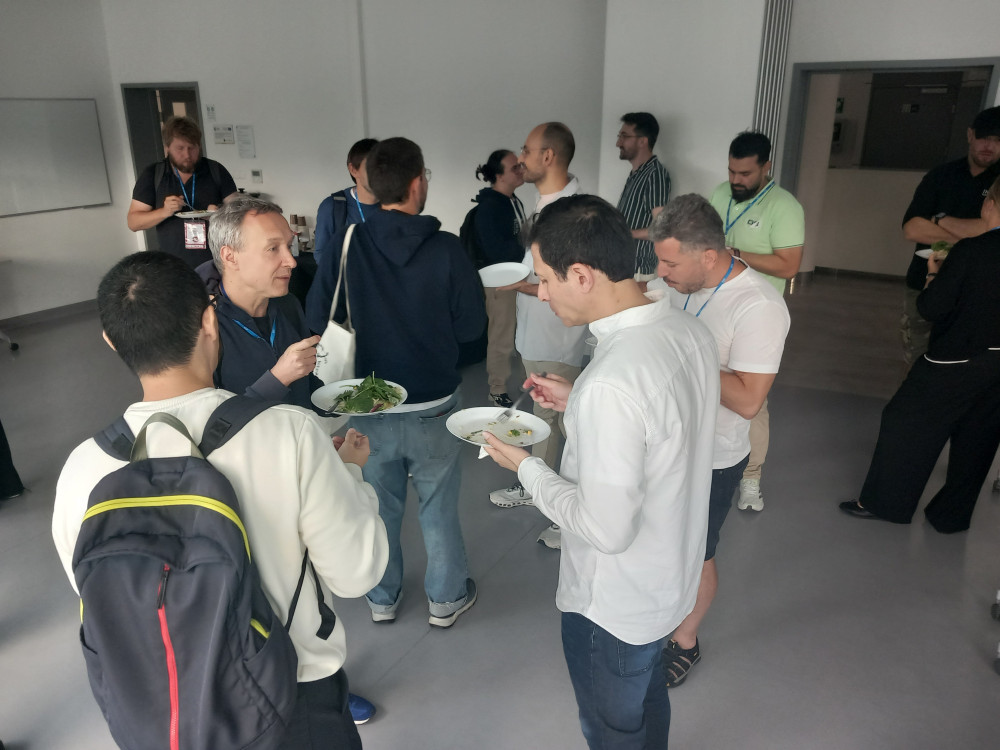
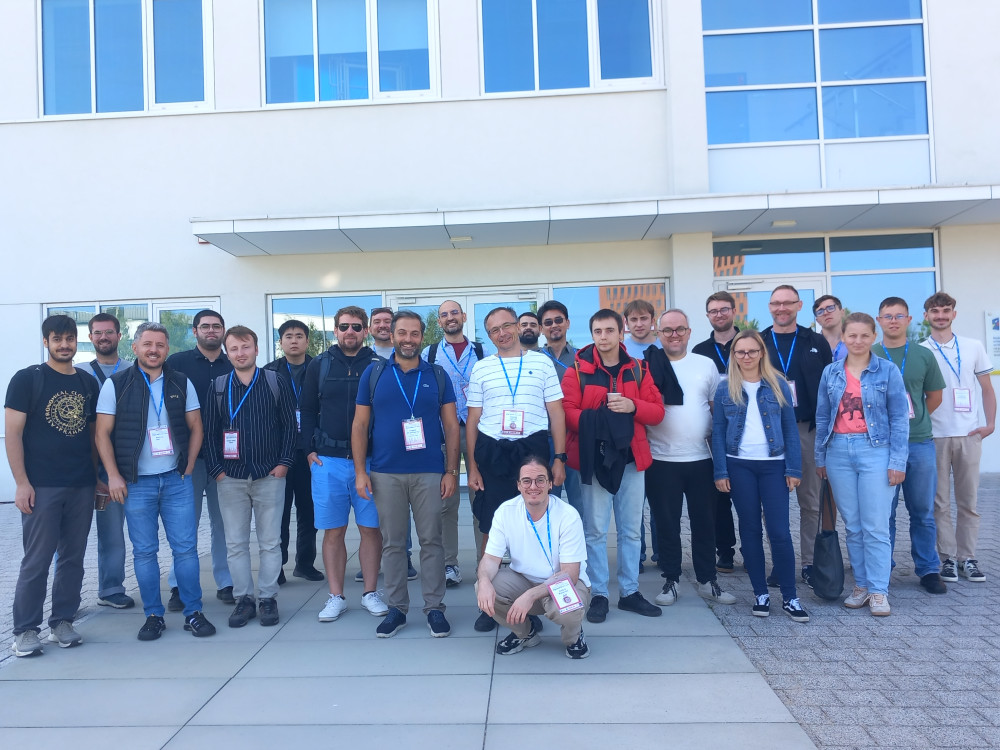
The school was primarily aimed at students, PhD candidates, and early-career researchers who already had a basic background in quantum mechanics and condensed matter physics and were interested in exploring modern quantum systems and the technologies used in quantum chips. More than 40 participants from around the world took part in the event.
We would like to thank all the participants and lecturers, and we hope to see you again at future editions of PQChips!
The event was organised as part of the KlaR Gdańsk–Lund Cluster: Quantum Development Potential project, with funding from the Strategic Partnerships programme of the Polish National Agency for Academic Exchange (NAWA).